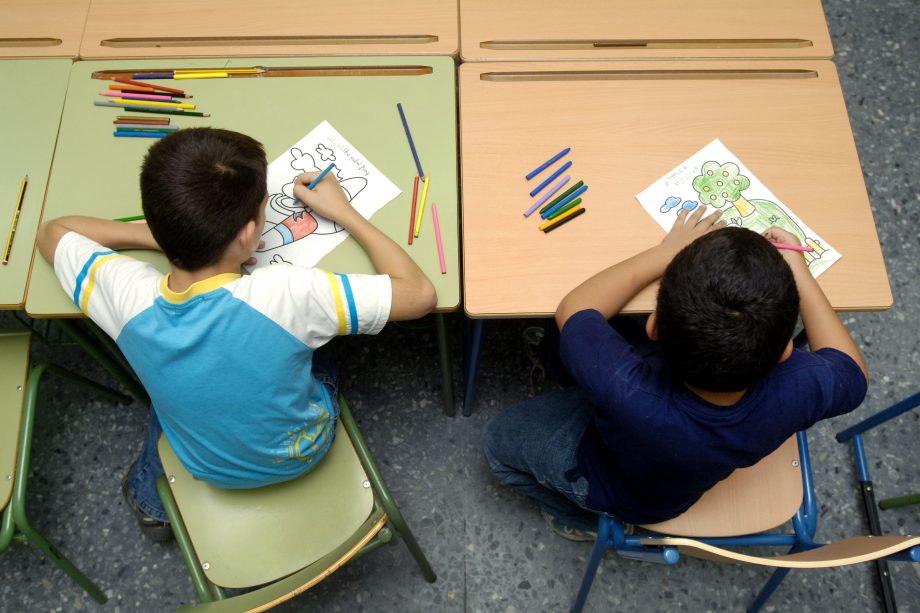
For families considering a move to the Guadalhorce Valley, one of the first questions is often: “What’s the schooling like here?” Whether you’re an expat planning a long‑term relocation or a local family looking for options, Coín offers a thoughtful mix of educational opportunities — from early years and primary school right through to secondary education, and even language learning for older students.
Living in Coín means access to a network of schools that feel grounded in community life, where children are known by name, and education connects to everyday experiences around town and beyond.
Early Years and Primary Education
Coín’s primary schools are deeply rooted in the local community. These schools combine a solid academic foundation with spaces for children to explore, play, and grow socially.
Here are some of the well‑known primary options in Coín:
- C.E.I.P. Carazony — A public primary school serving local families.
- C.E.I.P. Huertas Viejas — Another respected public school with a reputation for community engagement.
- C.E.I.P. Lope de Vega — Centrally located with strong local involvement.
- C.E.I.P. Pintor Palomo — Known for its welcoming atmosphere and supportive teachers.
- C.E.I.P. Ximénez de Guzmán — A primary school focused on foundational learning and social skills.
These public schools offer everyday schooling with a strong sense of community, and many local families appreciate how they help children settle into Andalusian life.
In addition to these, Coín also has private and concerted options — meaning partly state‑supported with additional private elements — such as:
- Colegio Nuestra Señora de Lourdes: A cooperative school in Coín offering education from early years through to bachillerato (Spain’s pre‑university qualification), with a holistic approach that includes sports, music, and values‑based learning.
- Colegio Corazón Inmaculado: A school grounded in a strong educational philosophy, offering a complete pathway from early years to secondary level with a modern and warm approach.
These options give families flexibility to choose a school that aligns with their values, pedagogical style, and the kind of environment in which they want their child to thrive.
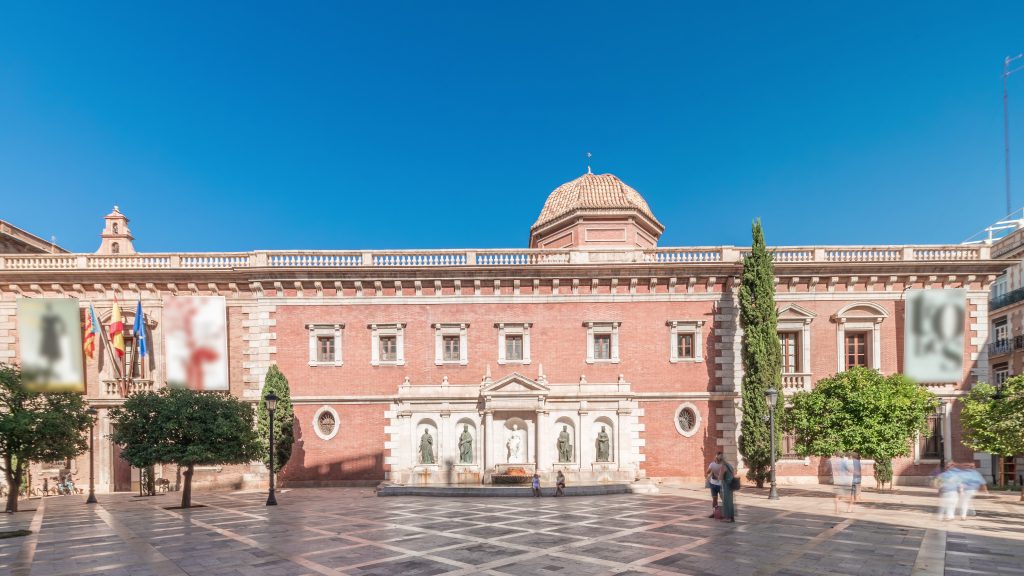
Secondary Education: Growing Confidence and Skills
As children move into the later stages of compulsory education, Coín continues to offer solid, well‑supported options that prepare students for adulthood — whether that’s further study, professional training, or creative pursuits.
The main secondary schools in Coín include:
- I.E.S. Ciudad de Coín: A public secondary school with a broad curriculum designed to foster both academic skills and personal development.
- I.E.S. Los Montecillos: Another respected secondary school that serves a large cohort of local students with compulsory secondary education, and often additional pathways such as vocational or baccalaureate options.
Both of these schools are part of Andalucía’s public education network, which means they follow the regional curriculum while also offering extracurricular activities and support systems to help students grow socially and emotionally.
Beyond Core Curriculum: Language and Enrichment
Learning doesn’t stop at traditional school hours — especially in a region where language and cultural skills open doors.
- Escuela Oficial de Idiomas (EOI) Coín offers a range of language courses (Spanish, English, French, German) from beginner to advanced levels, either as part of formal study or for personal enrichment.
- There are also local academias de apoyo escolar and language centres like the Coin School of English, which families often use for extra tutoring and immersion.
These opportunities make it easier for expat children to improve language skills — and for adults and families to integrate more deeply into life in Spain.
🧠 What Families Often Say
Parents frequently highlight a few key aspects of schooling in Coín:
- Personal attention: Teachers and staff really get to know students as individuals, not just numbers in a class list.
- Community integration: Schools act as hubs where families connect, share activities, and build support networks.
- Real‑world learning: Education here feels tied to everyday experiences — from local traditions and fiestas to outdoor exploration and civic involvement.
For parents considering a move here, it often isn’t just about academics — it’s about finding a supportive environment where children can grow, learn, and feel at home.